The workplace is evolving at a pace that few could have predicted even a decade ago. Automation, artificial intelligence, and the rise of remote-first companies have fundamentally changed what employers value in a candidate. The good news is that the tools to adapt have never been more accessible. Online learning platforms have made it possible for anyone, anywhere, to acquire the skills that matter most — often at little to no cost.
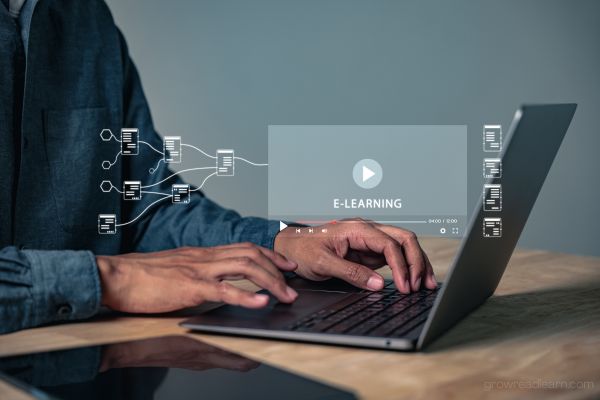
But with thousands of courses and dozens of disciplines competing for your attention, where should you actually focus your time and energy? Below is a clear-eyed look at the skills most likely to carry professional value in the years ahead.
Data Literacy and Analysis
Data is often described as the new currency of business — and for good reason. Organizations of every size are making decisions based on data, which means professionals who can read, interpret, and communicate data insights have a significant edge. You do not need to become a data scientist. A working knowledge of tools like spreadsheets, basic statistics, and data visualization can be enough to differentiate yourself in most fields. Platforms offering structured courses in data fundamentals are widely available and beginner-friendly.
Artificial Intelligence and Prompt Engineering
Understanding how AI tools work — and how to direct them effectively — is quickly becoming a baseline expectation rather than a bonus skill. Prompt engineering, the practice of crafting precise inputs to get useful outputs from AI systems, is a discipline that has emerged rapidly and requires no programming background to start. Knowing how to integrate AI responsibly into your workflow signals both adaptability and forward thinking to any employer.
Digital Communication and Content Creation
Remote and hybrid work has made written and digital communication more important than ever. Being able to write clearly, produce engaging content, and manage a professional online presence are skills with broad application — whether you work in marketing, education, healthcare, or finance. Courses in copywriting, video production, and storytelling are widely available online and translate directly into measurable professional value.
Coding and Automation Basics
You do not need to become a software engineer to benefit from knowing how to code. Learning the basics of Python, for example, or understanding how to automate repetitive tasks with simple scripts, can save significant time and open unexpected career doors. Many online learning platforms offer free introductory courses specifically designed for non-technical professionals.
Financial Literacy and Personal Finance
As traditional employment structures shift toward freelancing, contract work, and portfolio careers, understanding money management has become a professional skill in its own right. Knowing how to budget, manage taxes as an independent worker, and evaluate financial decisions with confidence is increasingly indispensable for anyone navigating a non-linear career path.
Emotional Intelligence and Leadership
Soft skills are not soft in their impact. As technical tasks become increasingly automated, the distinctly human capacities for empathy, conflict resolution, and team leadership carry growing weight. Courses focused on communication, emotional intelligence, and management principles are available across most major online platforms and remain highly transferable across industries.
How to Choose Where to Start
The temptation is to pursue everything at once. A more effective approach is to audit your current role or target role and identify one or two clear skill gaps. From there, choose a single course or structured learning path and commit to completing it before moving on. Consistency and completion matter more than volume.
The future of work will reward those who remain curious and adaptable. Online learning does not replace experience, but it offers a practical, low-risk way to build the foundations that make experience more meaningful. The time to start is not when the market demands it — it is now, while you still have the advantage of choosing your own direction.