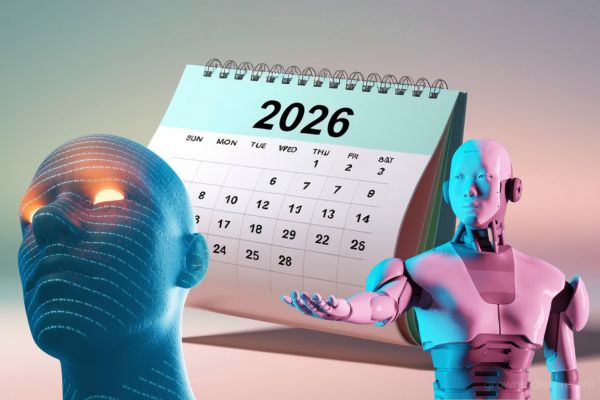
Something significant is happening in studios, classrooms, living rooms, and social feeds around the world. The tools that once required years of technical training — composing a melody, writing a screenplay, designing a visual identity — are now accessible to nearly anyone with an internet connection and a prompt. As we move further into the mid-2020s, 2026 is shaping up to be not just another milestone year for artificial intelligence, but a genuine inflection point for human culture itself.
The Creative Barrier Has Effectively Collapsed
For most of recorded history, cultural production has been gated by skill, resources, and access. You needed expensive equipment to produce music, institutional backing to publish a book, or years of practice to create compelling visual art. AI tools have dismantled much of that infrastructure requirement almost overnight.
Today, generative AI platforms allow individuals to produce high-quality images, compose original soundtracks, draft long-form fiction, and even generate rough cuts of video content. What once took a team weeks can now take one person hours. This is not a distant forecast — it is already the operational reality for a growing number of independent creators, small businesses, and experimental artists.
Culture as Code: The Shift in Creative Authorship
One of the more philosophically interesting developments of this moment is the question of authorship. When an AI model generates a painting based on a human’s description, who is the artist? When a musician uses an AI system to co-write a song, how do we credit creative labor?
These are not merely academic questions. They carry real implications for copyright law, artistic identity, and the commercial value of creative work. Courts, platforms, and professional guilds are actively wrestling with these issues, and the outcomes will likely define the cultural economy for decades to come.
What is already clear is that the traditional binary — human creator versus passive audience — is becoming far more fluid. Culture is increasingly collaborative in ways that blur the line between tool and co-author.
Democratization and Its Discontents
The optimistic case for AI-generated culture is compelling. More people than ever can express ideas, tell stories, and participate in cultural conversations. Languages, perspectives, and communities that were historically underrepresented in mainstream media now have new avenues for visibility. The barriers to entry for cultural participation have never been lower.
But there are legitimate concerns alongside that optimism. Professional creatives — illustrators, voice actors, writers, composers — face genuine economic disruption as markets adjust to an abundance of AI-generated content. Questions of quality, authenticity, and cultural depth are real. There is also the risk that algorithmic aesthetics — the visual and narrative styles that AI systems reproduce most fluently — gradually homogenize creative output, flattening the diversity they were supposed to expand.
The Audience Is Evolving Too
It is not only creators who are changing — audiences are adapting as well. Consumers are becoming increasingly sophisticated at identifying AI-generated content, and a growing segment actively prefers to know when AI was involved in production. Transparency, provenance, and authenticity are emerging as new markers of cultural value.
At the same time, many people simply do not care about the distinction, particularly when the content is entertaining, useful, or emotionally resonant. This pragmatic indifference may itself reshape cultural standards in ways that are difficult to predict.
A Defining Moment That Demands Thoughtful Navigation
What makes 2026 particularly significant is not that AI has arrived — it has been building for years. What is different now is scale, accessibility, and cultural saturation. AI-generated content is no longer a novelty or an experiment. It is woven into the everyday fabric of how stories are told and ideas are shared.
The real challenge ahead is not whether AI will shape culture — it already is. The more important question is whether society can develop the ethical frameworks, legal structures, and critical literacy needed to navigate that reality wisely. The tools are extraordinary. What we build with them, and who benefits, remains very much an open and urgent conversation.