
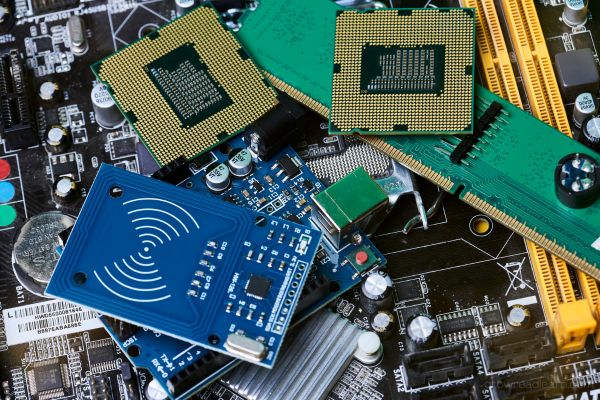
Artificial intelligence is no longer a background technology. It powers search engines, virtual assistants, autonomous systems, and the data centers that underpin modern digital life. But behind every AI model lies an enormous appetite for hardware — and one component in particular is struggling to keep pace: memory chips.
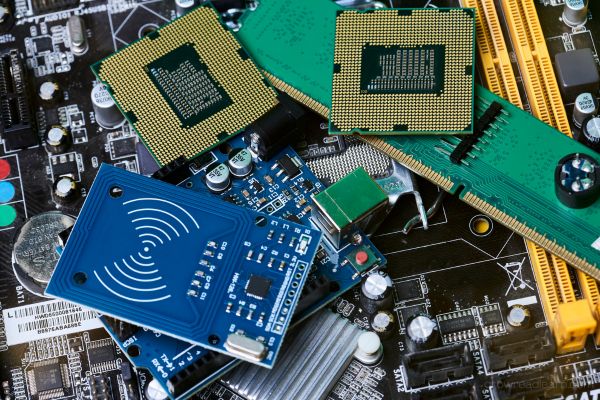
As AI infrastructure continues to expand at a remarkable rate, demand for high-bandwidth memory and other advanced semiconductor storage solutions has surged well beyond current production capacity. The result is a tightening global supply that is beginning to ripple through the broader electronics market.
Why Memory Chips Are Central to AI Development
Training and running large AI models requires processing vast amounts of data simultaneously. Memory chips — especially specialized variants designed for high-speed data transfer — serve as the critical bridge between raw computing power and efficient model performance. Without sufficient memory bandwidth, even the most powerful processors struggle to operate at their potential.
This dependency has made memory chips one of the most strategically valuable components in the technology sector. Leading AI developers and cloud computing providers have been securing large volumes of these chips in advance, often entering into long-term procurement agreements with manufacturers. This concentrated demand from a relatively small number of powerful buyers is creating significant pressure across the supply chain.
A Shortage With Broad Consequences
The effects of this imbalance are not confined to data centers or enterprise technology budgets. When demand outpaces supply in any segment of the semiconductor market, manufacturers must prioritize their most profitable customers. That typically means consumer-grade products — smartphones, laptops, gaming hardware, and home appliances — receive fewer allocations or face longer lead times.
For everyday consumers, this translates to a familiar and frustrating outcome: higher prices and reduced availability for the electronics they rely on. Retailers and device manufacturers absorb higher component costs that are often passed downstream to the end buyer.
- Consumer electronics: Smartphones and laptops may see price increases as manufacturers face elevated memory costs.
- Gaming hardware: Memory-intensive devices such as gaming consoles and graphics cards are particularly exposed to supply fluctuations.
- Enterprise technology: Businesses upgrading infrastructure may encounter longer procurement timelines and steeper costs.
Can Supply Keep Up?
Semiconductor manufacturers are not standing still. Significant capital is being invested in expanding production capacity, and new fabrication facilities are under construction in several regions around the world. However, building a chip factory is a years-long undertaking, and the technical complexity of producing advanced memory chips means that capacity cannot simply be switched on overnight.
There is also a competitive dimension to consider. Nations and trade blocs are increasingly treating semiconductor manufacturing as a matter of strategic importance, offering incentives to attract production and reduce dependence on a small number of geographic hubs. These policy shifts may gradually reshape the supply landscape, but meaningful relief is unlikely to arrive quickly.
A New Normal for the Electronics Industry
What is emerging from this confluence of factors is a new pricing reality for technology. The era of steadily declining electronics costs — a trend that defined much of the past two decades — may be entering a period of interruption. As AI development accelerates and the competition for memory resources intensifies, both businesses and consumers will need to adapt their expectations accordingly.
For those tracking technology trends, the memory chip shortage serves as a clear illustration of how transformative technologies can create unintended pressures throughout the economy. AI’s benefits are real and growing — but so are its infrastructure demands, and the global supply chain is still catching up.