We live in an era of extraordinary convenience. Information travels in milliseconds, communication is instant, and the boundaries between work, leisure, and rest have all but dissolved. Yet despite — or perhaps because of — this relentless connectivity, a growing number of people are actively choosing to slow down.

The slow living movement is not new, but its appeal has never felt more relevant. What began as a quiet counterculture response to industrial speed and consumer excess has matured into a mainstream lifestyle philosophy, one that is attracting professionals, parents, young adults, and retirees alike.
What Slow Living Actually Means
Slow living is often misunderstood as doing everything at a snail’s pace or rejecting technology entirely. In practice, it is something far more intentional. At its core, slow living is about making conscious choices with your time and attention — prioritising depth over volume, presence over productivity, and meaning over momentum.
This can take many forms:
- Cooking meals from scratch instead of ordering delivery out of habit
- Spending time outdoors without a phone in hand
- Choosing fewer, more meaningful social commitments
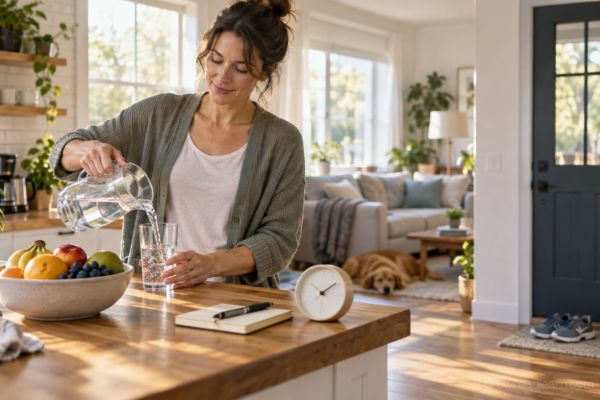
- Creating space in the day for rest without guilt
- Consuming less content and spending more time in reflection
None of these actions require rejecting modern life. They simply require pausing long enough to ask whether each habit genuinely serves you.
Why Now? The Role of Digital Overload
The timing of slow living’s rise is not coincidental. Notifications, social media algorithms, and the always-on work culture have created an environment where the brain is rarely given permission to rest. Cognitive fatigue, anxiety, and a persistent sense of falling behind have become remarkably common experiences.
Researchers in psychology and behavioural science have long observed that the human mind needs periods of low stimulation to consolidate thought, regulate emotion, and sustain creativity. When those periods are consistently crowded out by screens and schedules, something begins to erode — not productivity, but the feeling that life itself is being lived rather than merely managed.
Slow living offers a practical antidote. It does not demand a radical departure from everyday responsibilities; it invites a recalibration of priorities.
A Cultural Shift, Not Just a Trend
What distinguishes the current wave of slow living from previous wellness trends is its staying power and its cross-cultural breadth. From the hygge philosophy in Scandinavia to the Japanese concept of ikigai, and from the Italian tradition of the long, unhurried meal to the growing global interest in digital detox retreats, the appetite for a more deliberate way of life is appearing across very different societies.
This suggests the movement is responding to something structural — the shared pressures of globalised, hyperconnected modernity — rather than to a fleeting preference for aesthetics.
Social media, somewhat ironically, has also played a role in spreading the philosophy. Images of quiet mornings, handwritten journals, farmers’ markets, and uncluttered rooms have built substantial communities around the idea that a good life does not have to be a fast one.
Practical Entry Points for the Curious
For those drawn to the idea but uncertain where to begin, slow living does not require a move to the countryside or a dramatic lifestyle overhaul. Small, consistent adjustments tend to be more sustainable than sweeping changes.
Starting with a single screen-free hour each day, or committing to one meal per week prepared without distraction, can be enough to interrupt automatic behaviour and create a sense of agency over how time is spent.
The Bigger Picture
Slow living ultimately asks a deceptively simple question: Are you in control of your attention, or has it been captured? In a world designed to demand more of you at every turn, choosing to move at a human pace is quietly becoming one of the most radical decisions a person can make — and for many, one of the most rewarding.