
France, long regarded as one of the world’s great custodians of fine art, is once again at the center of an international art theft controversy. A collection of paintings by the celebrated Impressionist master Pierre-Auguste Renoir has been stolen from a French museum, in what authorities are describing as one of the most significant art heists in recent memory. The loss is not merely financial — it is cultural, historical, and deeply personal to those who believe great art belongs to the public.
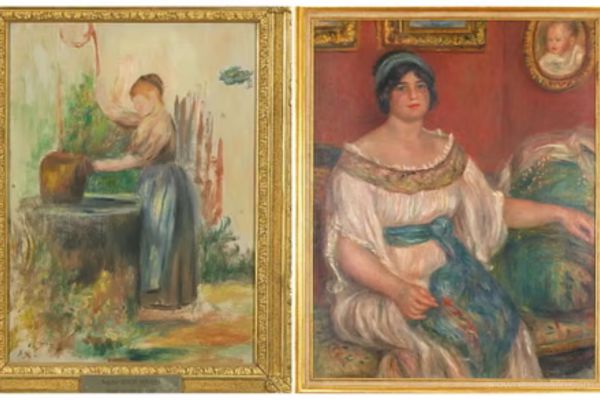
Why Renoir Works Are Prime Targets
Pierre-Auguste Renoir remains one of the most recognized and beloved painters in Western art history. His works — characterized by vibrant color, soft brushwork, and intimate depictions of everyday life — command enormous prices on the international market. That commercial value, combined with their widespread cultural prestige, makes Renoir pieces highly attractive to sophisticated art thieves and black-market networks.
Art theft experts have long noted that Impressionist works occupy a particularly dangerous position: they are famous enough to be immediately recognized by collectors, yet their global appeal means a covert buyer can always potentially be found. Unlike lesser-known pieces, stolen Renoir paintings carry an almost guaranteed underground demand.
A Pattern of Vulnerability in European Museums
This incident adds to a troubling pattern that has emerged across European cultural institutions in recent decades. Museums of varying sizes — from small regional galleries to prominent national collections — have struggled to implement security measures that can keep pace with increasingly organized and technically sophisticated criminal operations.
Small and mid-sized French museums, in particular, often operate with limited budgets for modern surveillance technology, physical barriers, and overnight security personnel. While major institutions in Paris and other metropolitan centers have invested heavily in protection, countless regional galleries house extraordinary works with comparatively modest defenses.
Art recovery organizations have consistently pointed out that the vast majority of stolen masterpieces are never publicly resold. Instead, they may be held privately as illicit assets, used as collateral in criminal transactions, or quietly offered to unscrupulous private collectors who ask few questions. This makes recovery efforts extraordinarily difficult and often painfully slow.
The Broader Stakes: Cultural Loss Beyond Price Tags
It would be a mistake to measure this theft purely in monetary terms. Renoir’s paintings represent a living connection to a specific moment in human creativity — the late nineteenth century Impressionist movement that fundamentally changed how the world understood visual art. When works like these disappear into the shadows, the public loses access to something irreplaceable.
Museums exist precisely to safeguard that access. They serve as bridges between past and present, allowing ordinary people to stand before extraordinary creations and feel, however briefly, connected to history. Every stolen piece diminishes that mission.
What Happens Next
In the wake of such thefts, investigations typically involve national police forces, Interpol’s Works of Art unit, and specialist organizations dedicated to tracking stolen cultural property. Art registries, which maintain records of known stolen works, become critical tools in preventing pieces from entering legitimate auction markets.
The process of recovery, however, can take years — or decades. Some stolen masterpieces have resurfaced only through fortunate coincidences: an estate sale, an insurance claim, or an anonymous tip. Others have never been found at all.
For now, the focus rests on the investigation. Authorities will examine security footage, interview witnesses, and reach out to international networks that monitor the movement of high-value stolen art.
A Wake-Up Call for Cultural Institutions
Beyond the immediate investigation, this heist should serve as a broader wake-up call. Governments, museum boards, and cultural ministries across Europe must take an honest look at whether their institutions are adequately protected. Renoir’s legacy — and the legacies of countless other artists whose work hangs in public galleries — deserves nothing less than the most serious commitment to preservation and security.
Art theft is not a victimless crime. It steals from all of us.