Something has shifted. After years of screens, algorithms, and curated digital lives, a growing number of people are stepping away from their devices and actively seeking out the texture of the real world — the noise of a crowded market, the warmth of a live concert, the unscripted awkwardness of face-to-face conversation. In 2026, the appetite for genuine, in-person experience is not just a passing trend. It is beginning to look like a cultural correction.
The Digital Fatigue Factor
For much of the past decade, digital life promised convenience, connection, and endless entertainment. And it delivered — up to a point. But somewhere along the way, the promise began to feel hollow. Scrolling replaced strolling. Streaming replaced attending. Virtual presence became the default, and for many people, something quietly important was lost.
The term digital fatigue has moved from clinical language into everyday conversation. People are not necessarily abandoning technology, but they are increasingly aware of what it cannot replicate: the spontaneity of an unexpected encounter, the sensory richness of being somewhere rather than watching it, the sense of genuine participation in a moment that will not be repeated.
What “Real” Looks Like Right Now
The shift is visible across several areas of daily life:
- Live events and gatherings — From local theater productions to large-scale music festivals, attendance figures have climbed steadily. People are willing to plan, travel, and spend for experiences they can physically inhabit.
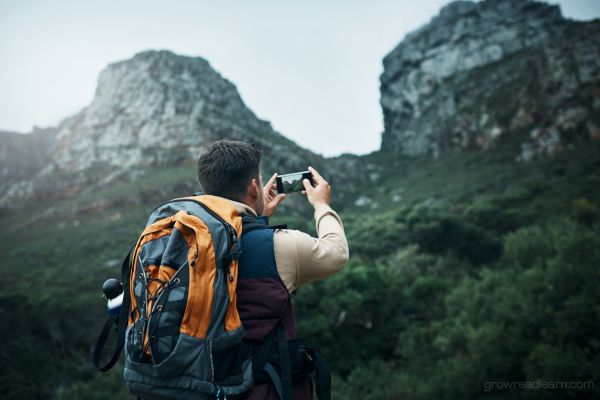
- Independent travel — Rather than optimizing trips around social media content, more travelers are choosing slower, less photographed itineraries focused on immersion over documentation.
- Community spaces — Libraries, community gardens, local clubs, and even casual neighborhood meetups are seeing renewed interest as spaces where people interact without a digital intermediary.
- Analog hobbies — Pottery, woodworking, cooking classes, and board game nights are thriving precisely because they demand physical presence and produce something tangible.
The Psychology Behind the Pull
Psychologists and social researchers have long noted that human beings are wired for embodied experience — learning, connecting, and finding meaning through the body as much as the mind. Digital environments, however sophisticated, tend to flatten that experience. They reduce complex social signals to text and emojis, and they replace the richness of place with a rectangle of light.
There is also a growing awareness around memory and meaning. Research consistently suggests that people derive longer-lasting satisfaction from experiences than from material purchases — and that shared, in-person experiences tend to generate stronger memories than their virtual equivalents. In an era when attention is fragmented and time feels scarce, people are becoming more intentional about what actually stays with them.
A Generational Dimension
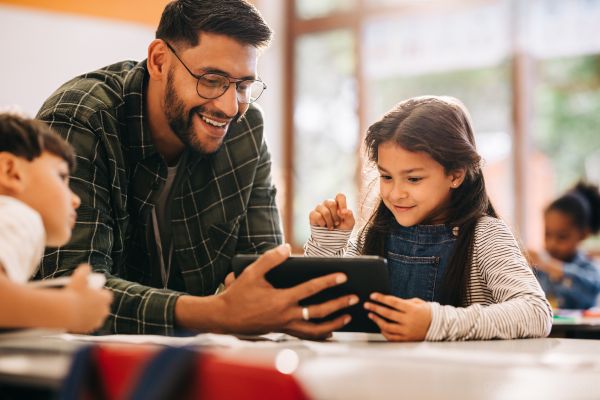
Interestingly, the craving for real-life experience is not confined to older generations nostalgic for a pre-smartphone world. Younger adults, who grew up entirely online, are among the most vocal advocates for offline living. Many describe a conscious effort to reclaim time and attention from platforms designed to absorb both.
This generational nuance matters. It suggests the movement is not rooted in nostalgia but in something more forward-looking: a clearer understanding of what digital life costs, and a deliberate choice to balance it with something more grounded.
What This Means Going Forward
Businesses, educators, and city planners are beginning to take notice. Spaces and services that offer genuine human engagement — not just convenience — are finding renewed relevance. The experience economy, once a buzzword, is taking on new meaning as people demonstrate through their choices that they value depth over efficiency.
None of this signals a rejection of technology. Most people will continue to live hybrid lives, navigating between the digital and the physical with varying degrees of intention. But the appetite for real-life experience in 2026 reflects something important: after years of optimizing for the virtual, many people are rediscovering that the physical world, in all its imperfect, unfiltered richness, is irreplaceable.
The screen will always be there. The moment, less so.