
Something unexpected is happening in the world of fashion. At a moment when fast fashion and algorithm-driven micro-trends dominate social media feeds, a growing number of young consumers are turning their attention toward classic American brands — the kind their parents or grandparents once wore without a second thought. Names associated with collegiate style, workwear heritage, and timeless Americana are finding enthusiastic new audiences among Gen Z, and the reasons behind this shift are more layered than simple nostalgia.
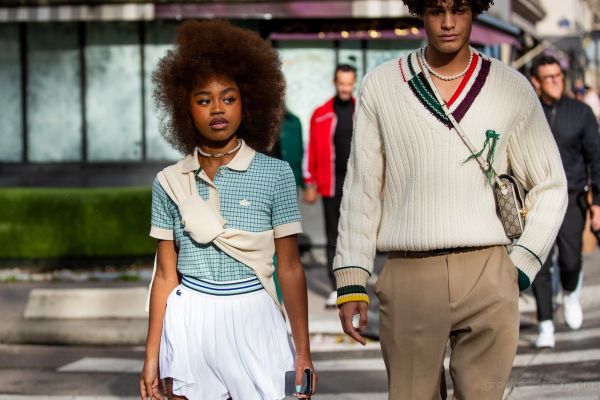
The Nostalgia Paradox
Gen Z has a complicated relationship with the past. On one hand, this generation grew up in a world of constant novelty, with new trends emerging and disappearing within days. On the other hand, that relentless churn of the new has produced a quiet hunger for things that feel permanent — items with history, craftsmanship, and a story rooted in something real.
Classic American brands carry exactly that kind of weight. A flannel shirt from a workwear label that has existed for over a century, or a rugby polo from a brand synonymous with Ivy League campuses, communicates something that a fast-fashion knockoff simply cannot: authenticity. For a generation that has developed a sharp eye for what is manufactured versus what is genuine, that distinction matters enormously.
The Role of Thrift Culture and Vintage Markets
The resale and thrift market has played a central role in this revival. Platforms dedicated to secondhand shopping have made it easier than ever to find vintage pieces from iconic American labels at accessible prices. Many Gen Z consumers first discovered these brands not through traditional retail but through thrift stores, estate sales, and online resale platforms.
This entry point is significant. It means the relationship between young shoppers and these heritage labels was often built outside of conventional marketing — through discovery, personal curation, and peer influence rather than advertising campaigns. When a brand earns that kind of organic attention, it tends to stick.
Quality Over Quantity
Another driving force is a broader cultural shift in how Gen Z thinks about consumption. Many younger shoppers are actively pushing back against the disposable nature of fast fashion, motivated by both environmental awareness and a growing appreciation for durability. Classic American brands — particularly those rooted in workwear or outdoor heritage — often built their reputations on making garments that last.
Buying fewer, better-made pieces aligns with values that are increasingly visible among younger consumers. A well-constructed denim jacket or a heavyweight hoodie that holds its shape through years of wear becomes an investment rather than an impulse purchase.
Social Media as a Megaphone for Heritage Style
While the appeal of these brands is rooted in history, their resurgence has been amplified significantly by social media. Content creators on platforms like TikTok and Instagram have turned archival fashion into a genre of its own, sharing styling videos, haul content, and historical deep dives into the origins of iconic pieces. This kind of content both educates and excites, turning a polo shirt or a pair of canvas sneakers into a cultural artifact worth understanding.
Brands that have leaned into this dynamic — sharing their own history, collaborating with creators who genuinely care about heritage style, and avoiding the temptation to chase every passing trend — have benefited the most from the revival.
What This Means for the Industry
The renewed interest in classic American fashion signals something meaningful for the broader industry. It suggests that longevity, when paired with cultural relevance, remains one of the most powerful assets a brand can hold. Younger consumers are not simply buying clothes; they are making statements about identity, values, and the kind of culture they want to support.
For heritage brands, the challenge now is to honor what made them iconic in the first place while remaining open to the new audiences that have rediscovered them. Those that manage this balance — staying true to their roots without becoming museum pieces — are likely to thrive well beyond this moment of revival.
In a fashion landscape that often feels chaotic and disposable, the staying power of classic American style is, perhaps, the most fashionable statement of all.